
Medical History Form Templates
Medical history forms collect the background information a healthcare provider needs before treating you for the first time or evaluating a new condition, with completeness directly affecting the quality of care. Templates in this collection cover the common contexts including new patient intake forms for primary care and specialist offices, family medical history forms documenting genetic and hereditary conditions, allergy records detailing reactions and severity, surgical history forms covering prior procedures and outcomes, immunisation records for vaccinations received, and current medication lists with dosages and prescribing providers. Each one is organised so providers can scan for relevant information quickly during appointments. Filling these out at home before your appointment saves consultation time and reduces the chance of missing important details when asked on the spot in a busy clinical setting.


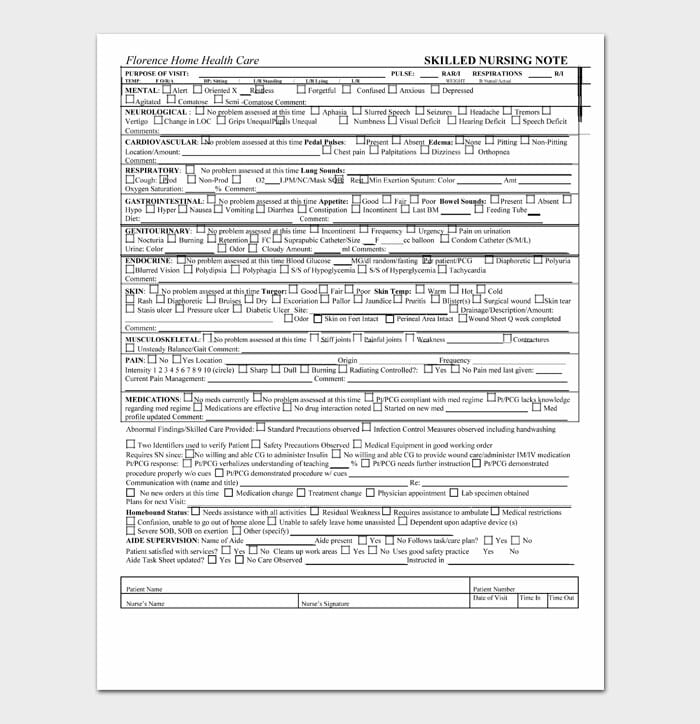


Medical history forms affect the quality of care more than most patients realise. A new doctor making decisions about treatment, medication, or surgical planning relies on the history form for information about prior conditions, current medications, allergies, and family genetic patterns that affect risk assessment. Incomplete or inaccurate histories lead to drug interactions, delayed diagnoses, and missed risk factors that should have shaped the clinical approach. Take time to complete the form thoroughly the first time you see a new provider, even when the form is long and the wait room is busy, since the doctor's decisions depend on this information.
Sharing history between providers benefits from a few habits. Bring a printed or digital summary to every new provider rather than filling out a fresh form from memory, since memory consistently underreports both past conditions and current medications. Keep the summary updated as conditions change, medications are added or stopped, and procedures are completed. For allergies and serious reactions, be specific about what happened (rash, anaphylaxis, gastrointestinal upset) rather than using the word "allergy" broadly, since some reactions are true allergies that contraindicate entire drug classes while others are side effects that can be managed. For family history, gather information from older relatives while you can, since family medical patterns become harder to reconstruct accurately as time passes.