
Design Templates
This collection gathers design templates for the visual communications that organisations and individuals produce most often, with layouts ready for customisation and direct use. Inside, you will find six core types: flyers that announce events and offers, brochures that explain products and services across multiple panels, posters that drive attention in physical spaces, newsletters that keep audiences updated over time, cards that mark personal and professional occasions, and certificates that recognise achievements formally. Each grouping includes multiple design directions from minimal to ornate so you can match the visual style to your audience and context. Templates here suit print and digital use, with formats that work across common design software including Microsoft Word, PowerPoint, Google Docs, Canva, and Adobe applications.

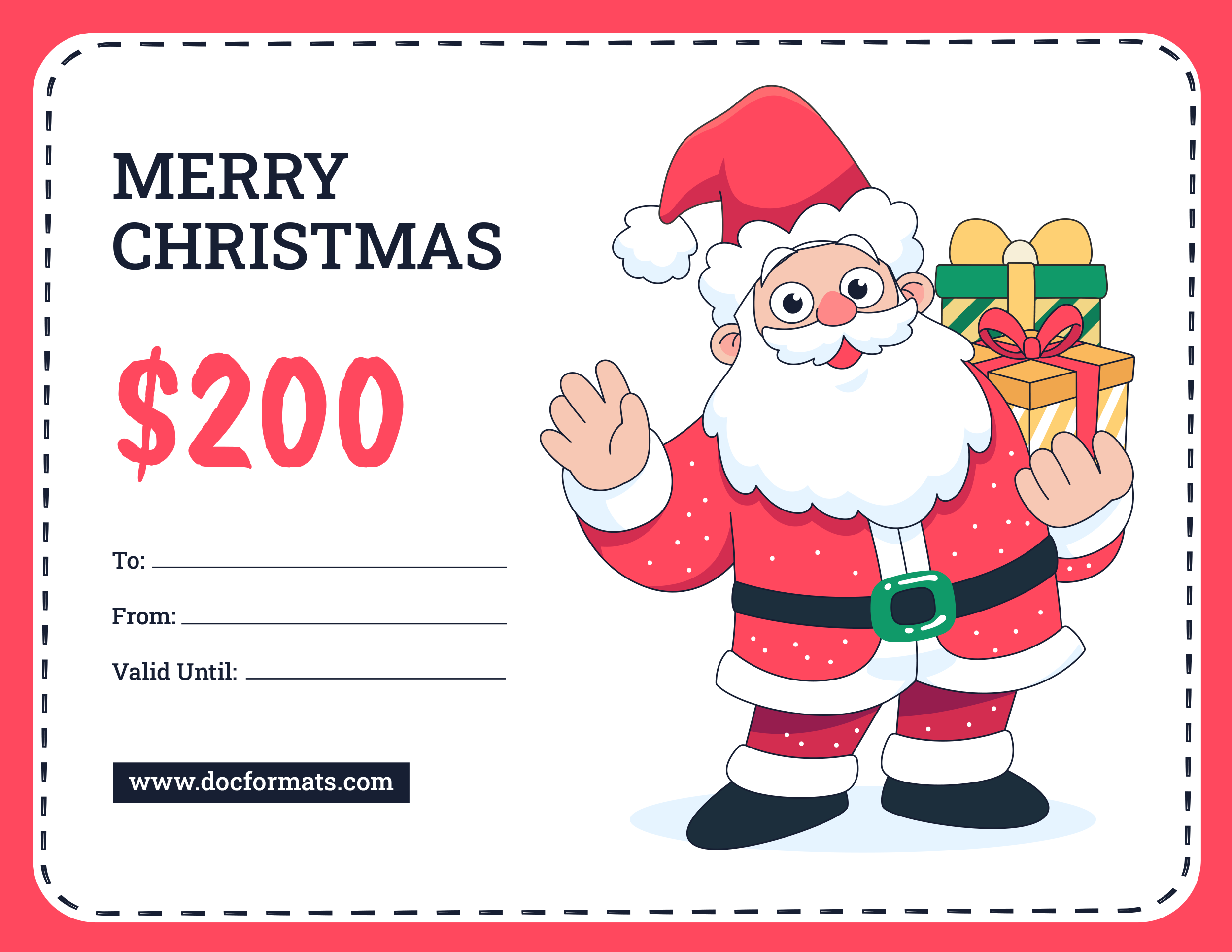


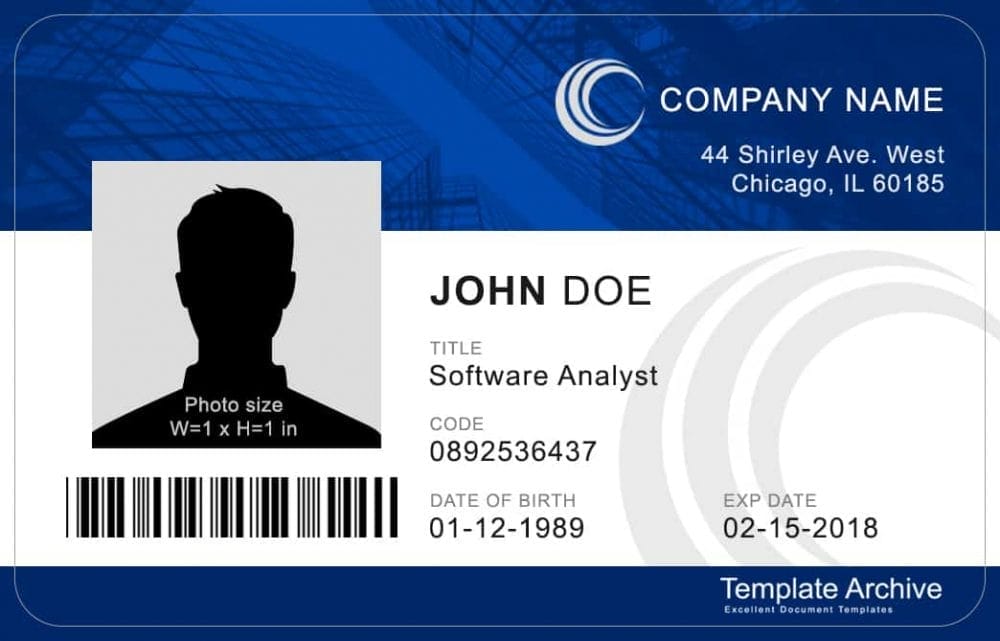
Effective design is invisible. When a flyer, brochure, or poster works, the reader receives the information without thinking about the layout, type, or colour choices that delivered it. When design fails, the reader notices the design before the message. Templates in this collection start from designs that have been built to disappear in this way, with type sizes that scale readably from poster distance to handheld viewing, colour contrasts that meet accessibility standards, and white space proportions that let key information stand out. Customising any template means changing the variable parts (text, images, colours to match your brand) while leaving the proportional relationships intact, since those are what make the design work.
Match the template choice to where the design will live. A flyer for a community noticeboard needs to read from three feet away, so headlines must be large enough and contrast must be strong enough to compete with surrounding clutter. A digital brochure viewed on a phone needs different hierarchy than a print brochure picked up at a counter, with shorter blocks of text and tap targets sized for fingers. For certificates and cards, choose the design that matches the occasion's formality: minimal modern layouts suit professional recognition, while ornate borders suit traditional ceremonies. When the project is high-stakes (a logo, primary marketing collateral, or anything representing the organisation visibly), the small investment in custom design from a freelance designer often returns more than templates can, since brand consistency compounds over time.