
Finance and Budgeting Templates
This collection gathers the financial templates that households and businesses rely on to plan, track, and document money flowing in and out. Inside, you will find six core needs: budgets for planning income against expenses, invoices for requesting payment from clients, receipts for confirming payments received, expense reports for tracking business spending and reimbursements, loan documents for formalising borrowing and lending terms, and tax preparation worksheets for organising information for filing. Each grouping focuses on one financial purpose with the standard fields and calculations that situation requires. Templates here suit personal and small business use across most contexts. Pick the grouping closest to your task and adjust the line items for your specific situation.
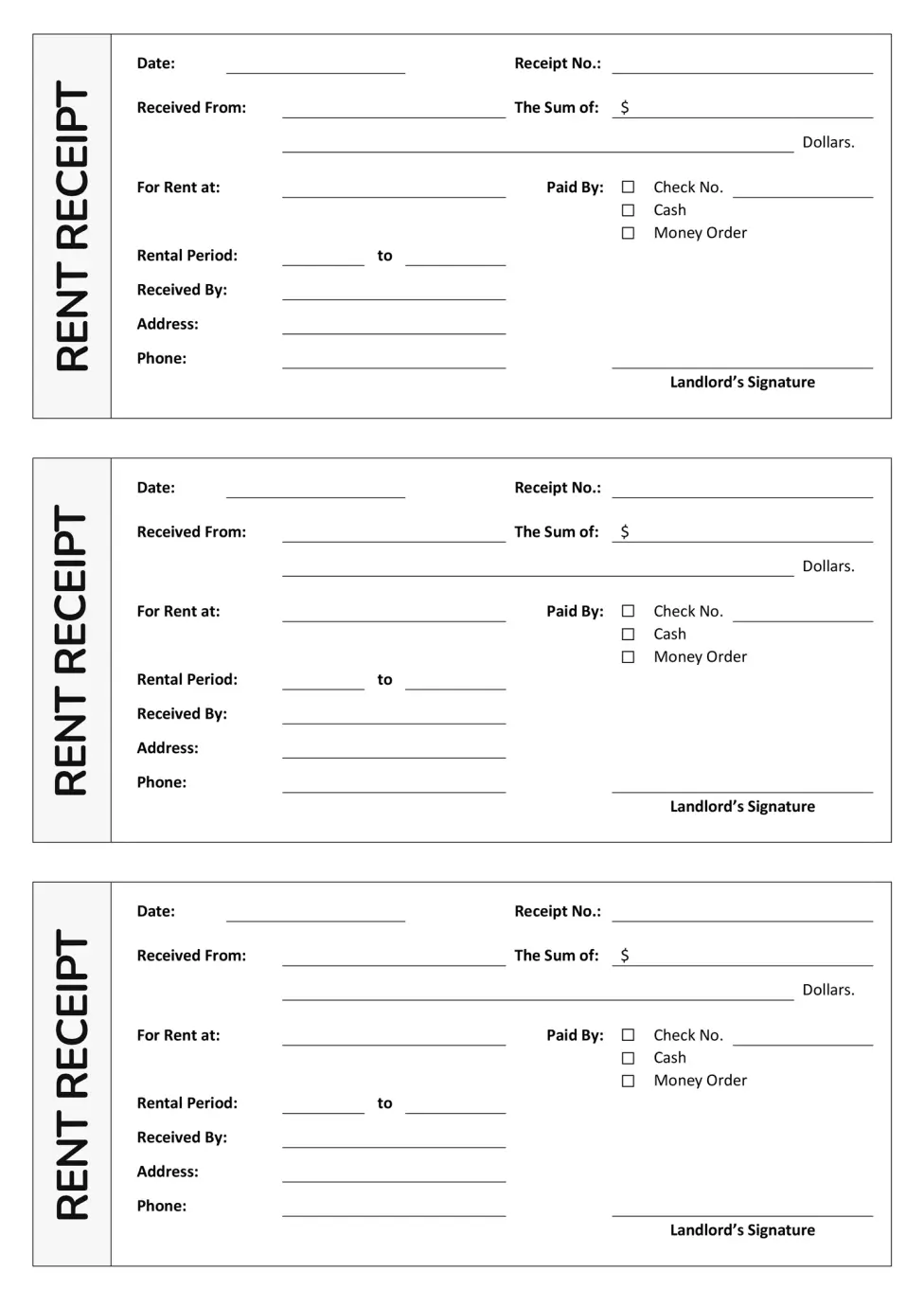
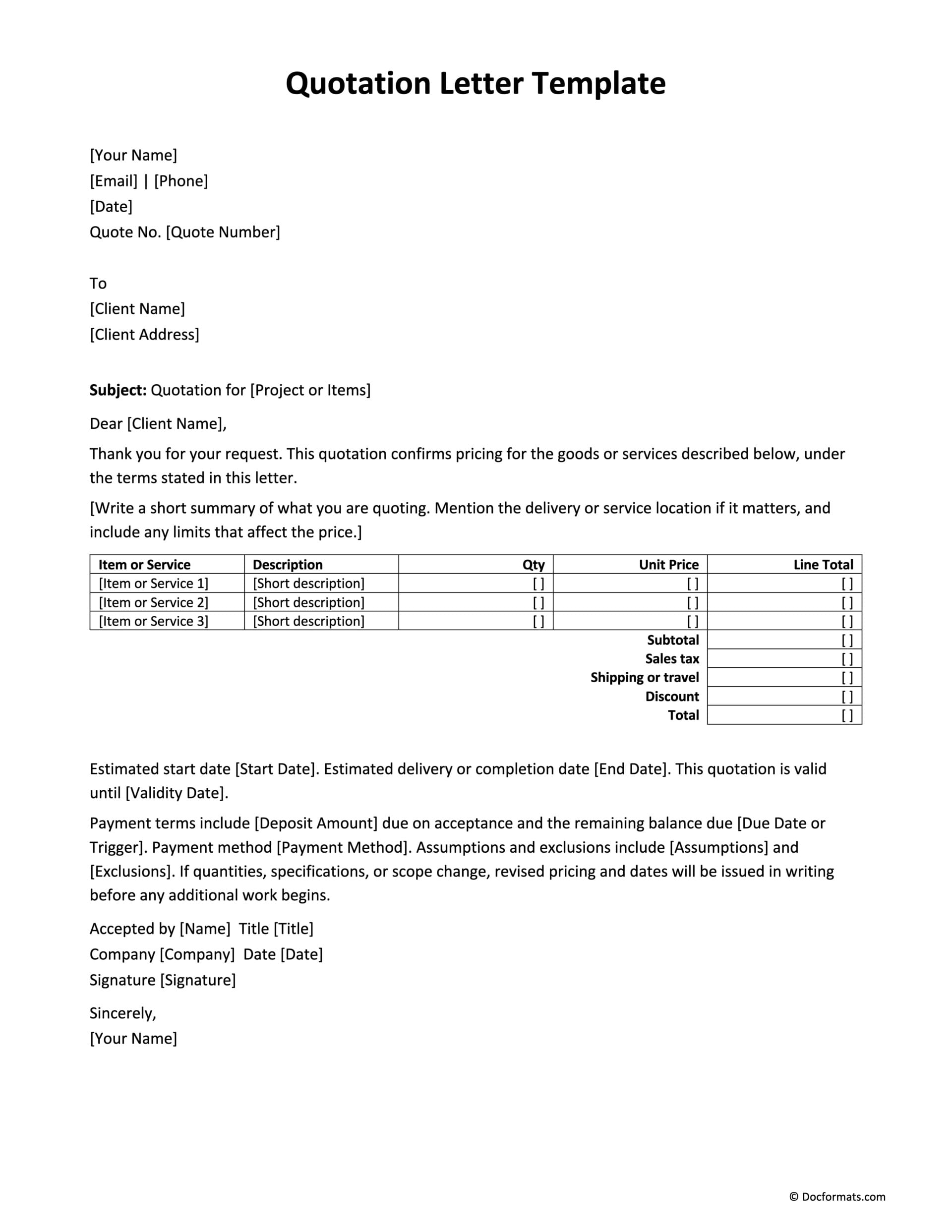


Personal and business financial documentation answers different questions for different audiences. For yourself, the question is whether you can see what is happening with your money clearly enough to make decisions. For your accountant or bookkeeper, the question is whether the records can support accurate tax filings and financial statements. For the IRS or other tax authorities, the question is whether the records would survive an audit. Templates in this collection serve all three audiences with formats that capture the standard categories used in personal budgets, small business books, and tax preparation. The same expense entry can flow from a daily log through monthly summaries to annual filings if the categorisation is consistent from the start.
For tax records specifically, retain receipts and supporting documentation for at least seven years for most expenses, longer for property and capital investments, and indefinitely for records of significant gifts and inheritances. Digital storage with reliable backup is acceptable to the IRS as long as records are legible and accessible on request. For budgets, the most useful planning horizon depends on income stability: salaried earners can plan monthly, freelancers and contractors usually need quarterly views to smooth income variability, and small business owners benefit from annual planning paired with monthly tracking. When tax law changes affect your situation, such as new deduction limits or credit thresholds, update your templates rather than adapting old records to new rules, since adapting on the fly introduces errors auditors look for.