If you are in business, there will certainly be times when your customers are late paying their invoices and may come to you asking if they can pay you on a schedule. They cannot meet the current payment terms; however, they may ask if they can delay the payment or pay an amount per month until what they owe you have been fully paid. It is a common approach for businesses to use a payment schedule in these situations.
This post covers what a payment schedule is, how to create a template, and why you should use a template. The essential elements of a payment schedule template are reviewed, and importantly, planning the payment schedule with your customer. We also address a few frequently asked questions many readers have regarding payment schedules and creating templates.
What is the Payment Schedule?
A payment schedule is an agreed payment on regular intervals by both the customer and the business. Whenever a customer cannot or does not pay what is owed to your business, there are several options the business may consider to deal with the non-paying customer. These options include:
- Calling the customer and requesting payment
- Negotiating a payment schedule
- Referring the customer to a debt recovery specialist
- Writing the debt off and avoiding dealing with the customer in the future
Regardless of which option is chosen, future sales to the customer should be handled on a cash upfront arrangement. The customer has lost your confidence and must pay for whatever is ordered in advance before you will ship them any product or provide services.
Calling the customer and requesting payment should always be the first option. Reminding them of the terms of your agreement and indicating that interest charges may apply and that if they are unable to pay, you will have no choice and will refer their account to a debt recovery specialist.
The majority of customers wish to maintain their credit rating and remain in good standing with their suppliers. After all, they will want to place future orders with you and understand that failing to meet their obligations will jeopardize any future business they do with you. They may request to create a payment schedule to help them meet their obligations.
A payment schedule can be developed jointly by both the customer and the business taking into account the balance of the debt, interest on the debt, and the number of months requested by the customer to fully repay what is owed.
Note: Never suggest a payment schedule to the customer since they may interpret the offer as an easy and soft approach to debt collection.
The business should also evaluate the impact on cash flow when accepting a payment schedule. After all, the business must pay its employees and suppliers. If they cannot meet their payments, their business could also be in jeopardy. Always follow up with your customers immediately on any late and past due payments and take immediate action to avoid jeopardizing your business. The customer’s debt rating and ability to pay should also be assessed before agreeing to a payment schedule. Debt recovery specialists act quickly; however, there is a fee for their services.
What is a Payment Schedule Template?
Payment schedules require specific information to be clear and concise and, most important, reflect the agreement you have with your customer, who has agreed to repay everything they owe on a schedule that meets with approval by both companies. The information can be inserted into a payment schedule template easily and be consistent with all other customers. Standardization of the information makes it easy to fill in the template and for accountants and auditors to understand and track.
The payment schedule template will also include your company’s name and contact information. There is no need to fill this in on every new schedule. We will cover the essential items to be included in the next section.
Once the payment schedule template has been filled in, both parties should sign the document indicating their agreement to abide by this schedule. If large amounts are involved, the payment schedule can be notarized and/or registered as a lien against the customer.
Closely monitor the payments from the customer. Ensure they are made and on time. Pay attention if the customer has a track record of failing to meet commitments. If a payment is missed, you will want to immediately follow up to determine if the debt should be referred to a debt recovery specialist.
Why Is a Payment Schedule Template Important?
A payment schedule template maintains a current record of all payments, payment amounts, and dates. It is highly useful in companies with many employees and lending agencies that must manage loans at close intervals. Generally, an employer enters employee details into the template to ensure that everyone gets paid when they should. Next to the name, they identify the due amounts and dates.
Types of Payment Schedule Templates
Since there are multiple types of payments and payment periods, there are also several types of payment schedule templates to match. The following are the most common:
- Bill Payment – The bill payment schedule template is used to outline the amounts payable for a company’s monthly bills. It identifies the service or good provider, the amount, and its due date.
- Loan Payment – The loan payment schedule template is used by mortgage and credit companies to track due loan payments, the loanees, amounts, due interests, and dates.
- Project Payment – The project payment schedule template is used to capture the payments required to execute a project, as indicated in the contract.
- Construction Payment – The construction payment schedule template is used in the construction business to gauge project values against progression.
More payment schedules templates types include:
- Excel loan payment template
- Freelance payment schedule template
- Mortgage payment schedule payment
- Building contract payment schedule template
- Printable project payment template
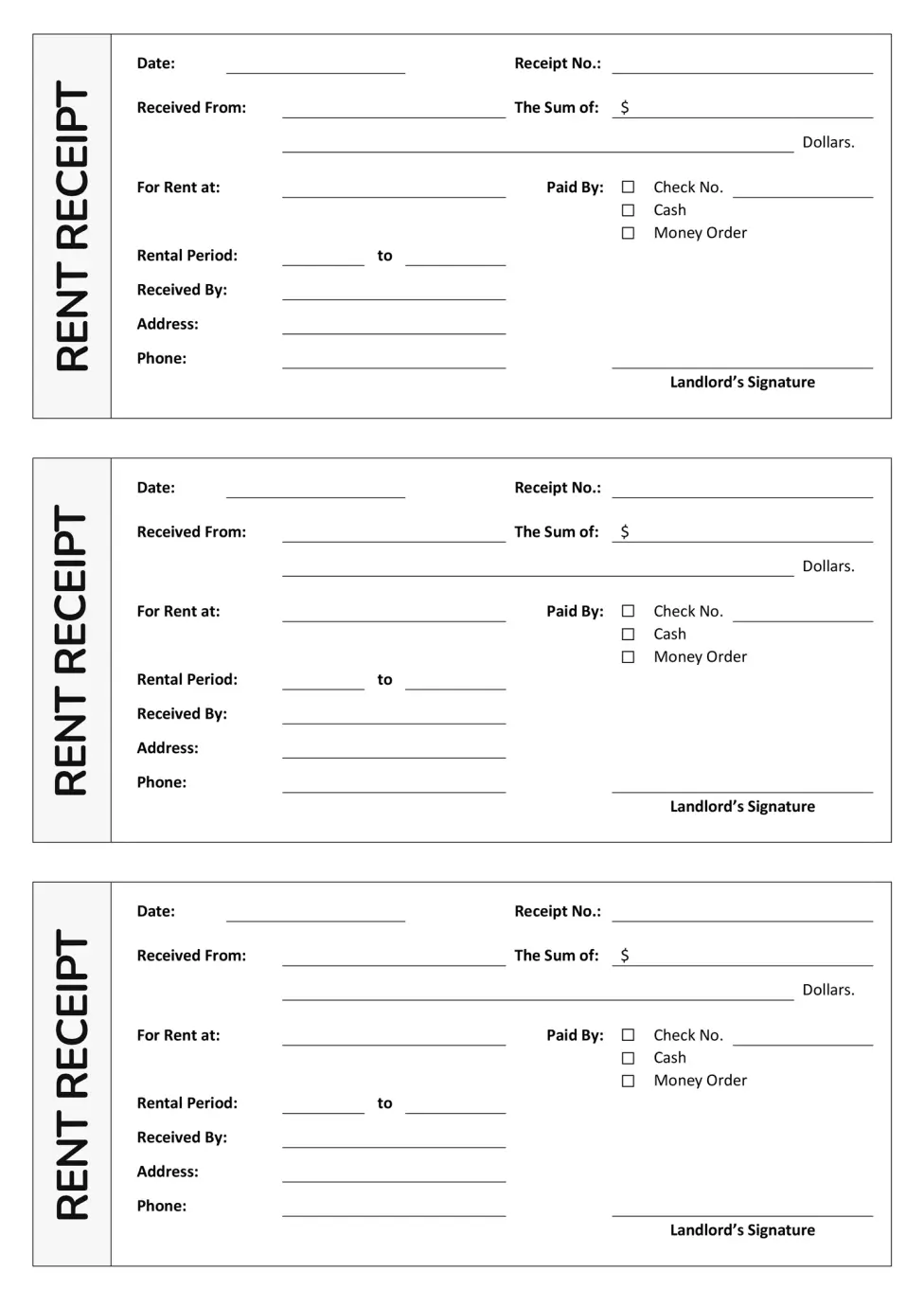
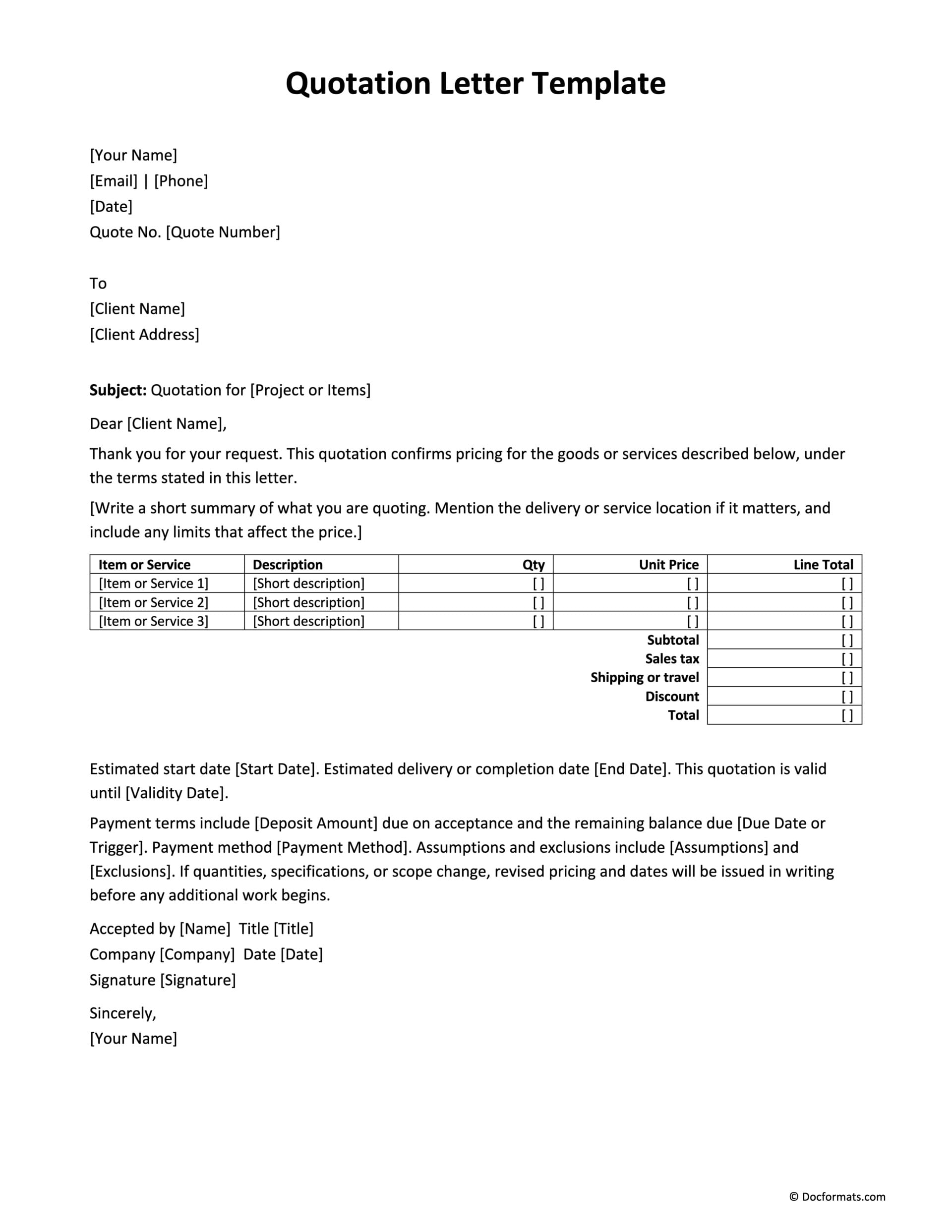
Payment Schedule Templates & Examples


Essential Elements of a Payment Schedule Template
The payment schedule template should reflect specific information, so there is no doubt about how much will be paid when it will be paid, if interest is being charged, and how many installments there will be. It should also be legally binding on both parties if there is a need to take your customer to court to collect unpaid debts.
The following are considered essential elements of the payment schedule, and fields should be in the template that is used for this purpose:
- Effective date of the payment schedule
- Creditor Details – company name, address, and contact information, along with phone number
- Debtor Details – company or person’s name, address, and contact information along with phone number
- Amount outstanding – the dollar amount of all funds owed, including accrued interest and penalties if applicable
- Number of installments
- Date first installment is due
- Installment amount
- Interest charge
- Additional penalties if installments are missed
- Penalties or consequences of missing a payment – full payment becomes due and legal action may be initiated to collect the outstanding balance
- Debtor signature and date – indicating an agreement to all terms and conditions of the payment schedule agreement
How to Plan Your Payment Schedule Template?
While creditors are not obligated to enter into a payment schedule agreement, there are times it makes good business sense to agree to a payment arrangement. Many creditors will immediately turn the debt over to a debt recovery specialist, understanding that they will receive less than the original debt. Business managers consider the following factors before they agree to enter into a payment schedule agreement:
- Impacts on creditor’s cash flow and obligations to their clients
- Consideration of the debtor’s circumstances and anticipated ability to pay
- Desire to continue business with the debtor and avoid souring the relationship
- High probability the debtor will meet their payment terms
- Cost of referring the debt to a debt recovery specialist
- Interest and penalty charges that are assigned to the debtor account
- Length of the term for the debt to be repaid – shorter is always better
Once all of the above factors have been considered, the creditor’s managers propose a debt repayment plan they are willing to accept. The debtor may have other ideas about penalties, interest payments, and the number of installment payments.
If negotiations are not successful, the creditor may have no other alternative. They must refer the debt to a debt recovery specialist and take a haircut on the total debt owed to them. Depending on the creditor’s management structure, proposals, and decisions must be made by those with the authority to make these decisions.
How to Calculate a Payment Schedule
Calculating and preparing a payment schedule requires an in-depth knowledge of your company, employee histories, and running bills. Once you have all these details, follow these steps:
Step 1: Identify Your Payment Commitments
Begin by noting down all the payment details your company is currently committed to, including employee salaries, overhead, utility payments, taxes, etc. For employee salaries, identify the employees by name and identify the date they joined the company as well as their employment amount and date.
Step 2: Outline the Payment Types
Once you capture all the companies and individuals your company is committed to paying, take into account important details like loan deductions, overtime, advances, social security deductions, discounts, applicable taxes, etc.
Step 3: Indicate the Payment Periods
Next, categorize the payments by when they should be made, i.e., daily, weekly, bi-weekly, monthly, annually, etc. Supply the expected payment dates and make sure it’s a uniform month. For instance, it is best to avoid 31st dates as they do not appear in all the months.
Step 4: Transfer the Data to a Template
Finally, copy all the data from your draft and transfer them into a payment schedule template.
Pros and Cons of Payment Schedules
As with most things, payment schedules have their merits and downfalls. Here is an outline of the pros and cons of using this system:
Pros
- A payment schedule allows regular payments to be made, which means that contractors can keep providing their services, and the company keeps running.
- Regular payments also ensure that companies can keep track of their net profits after paying off all their debts, loans, and bills.
- A contractor payment schedule allows homeowners to make broken-up payments, giving them enough time to come up with adequate funding.
- Regular payments prevent disputes between companies and their suppliers, especially these arising from delayed or missed payments.
- Through a payment schedule, a company can determine whether their bills are overwhelming the company and must be reduced.
Cons
- Construction schedules usually stretch billings over time and can lengthen a project.
- Payments schedules take a lot of time and manpower to prepare and adjust, especially when employees have different payment dates.
- Construction schedules can cause conflict when the contractor and homeowner can’t agree on the amount of work that has been completed and the payment that should be made.
FAQs
The following are frequently asked questions many of our readers have regarding payment schedules.
The quick answer is yes; an email can be a payment schedule; however, the details of what constitutes a payment schedule must be met. The Building Industry Fairness (Security of Payment) Act 2017 (Qld) (‘BIFA’) provides the standards for what constitutes a payment schedule, and the courts have found in previous cases that an email can be a payment schedule.
However, best practices suggest that payment schedules be negotiated and documented as per the agreement, dated and signed by both parties.
Payment schedules must be clear and succinct and describe the agreed terms and conditions between both parties. Both parties must be identified, along with full contact information. Both parties must sign and date the agreement or contract. Payment schedules are sometimes referred to as contracts between two parties. The essential details of the payment terms must include the following:
ᐅ The starting date for the initial payment.
ᐅ The total funds to be paid on the initial payment date
ᐅ The interval between each subsequent payment
ᐅ The date of the final payment
ᐅ The total amount, including interest charges and penalties, agreed to that is reflected in the payment schedule.
ᐅ Other terms and conditions specific to the arrangement between the two parties.
An automatic payment schedule is an automated process that activates payment of your installments on the date agreed to, while scheduled payments must be entered manually by the debtor each time an installment payment is due. Automated payments will trigger as long as there are sufficient funds in your account to cover the payment.
Key Points
Payment schedules are useful arrangements between debtors and creditors to negotiate payment of a debt by installments when the debtor is unable or unwilling to pay an invoice for products or services provided. Creditors have alternatives, such as hiring a debt recovery specialist to recover the funds owed to them; however, they take a haircut on the total amount. Arranging a payment schedule is preferred, provided that cash flows for the creditor are not adversely impacted.
Debt payment schedules must meet the legal terms as defined by the courts and organizations such as the Building Industry Fairness (Security of Payment) Act 2017 (Qld) (‘BIFA’) if they are ever contested in court.
Business professionals prefer to work out the details and document payment schedules without the intervention of the court, which takes fees and costs in general to a higher level. Many businesses use a payment schedule template to ensure that all of the required information is always included for the debtor and the creditor.