In the intricate world of shipping and logistics, understanding key documents is as crucial as knowing the journey’s start and end points. The delivery order stands out as a vital document for the efficient and accurate delivery of goods. This piece will shed light on the role of the delivery order, who issues it, and how it distinguishes itself from other important shipping documents such as bills of lading, purchase orders, and invoices. Grasping the importance and function of a delivery order is key for anyone involved in shipping, from business owners and logistics professionals to those simply interested in the process of transporting goods.
Delivery Order Templates


What Is a Delivery Order?
Delivery orders are documents used for the handover of cargo at the destination for the cargo from one party, usually the shipper or carrier, to another party, which can be the agent for the consignee, customs, or a subsequent carrier to continue the transportation of the shipment.
Delivery orders are generated to allow the handover of goods or cargo from the carrier or shipper to the consignee, allowing the consignee or their agent to proceed with all import-related activities, including customs clearance and final delivery to the location designated by the consignee.
Delivery orders are often used for high-value shipments or goods that must be delivered within specified timeframes. They are not required for all shipments. They are also considered legal documents used in the tracking of shipments and accountability of the carriers concerning the transfer of the cargo.
What Is a Delivery Order Template?
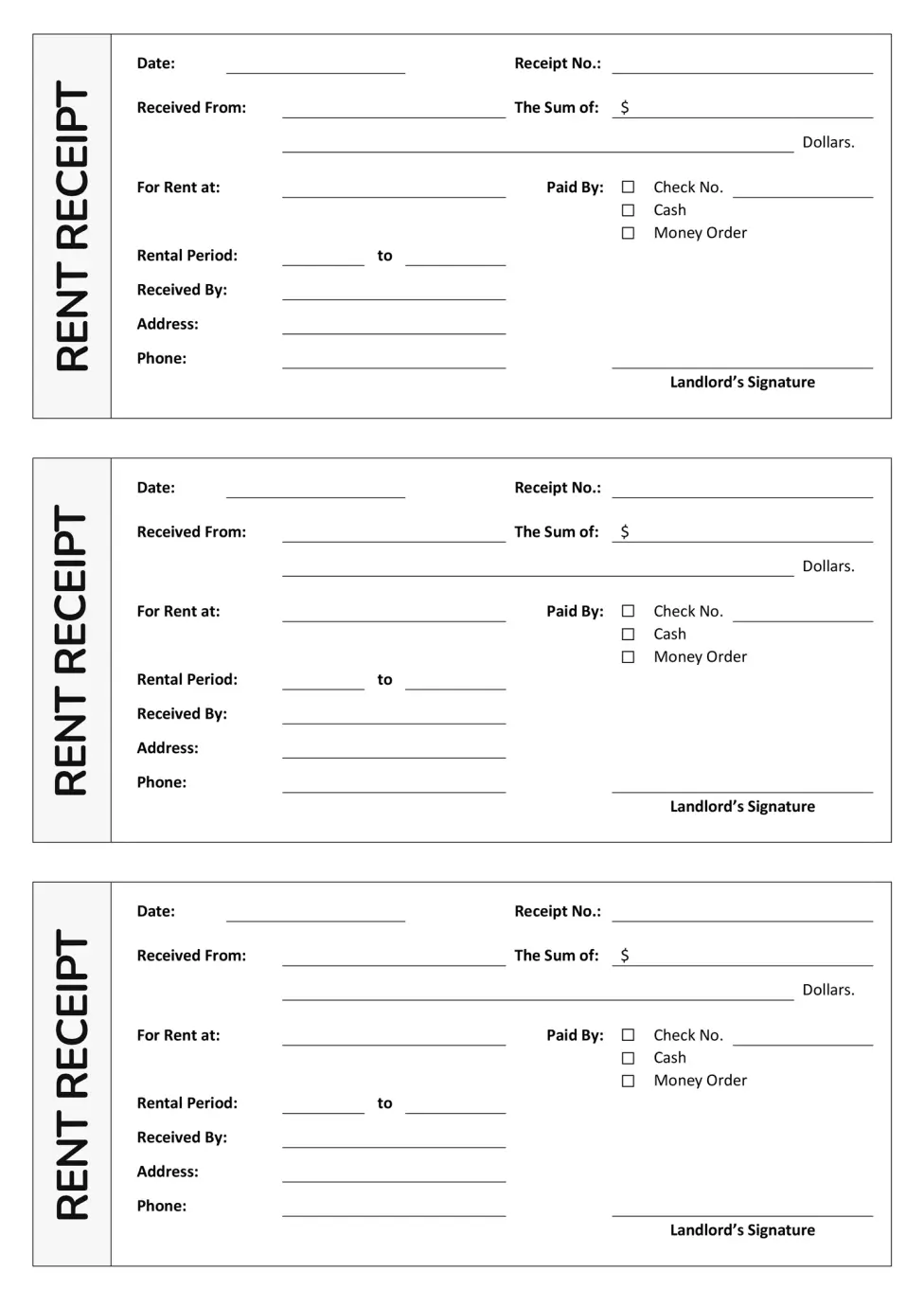
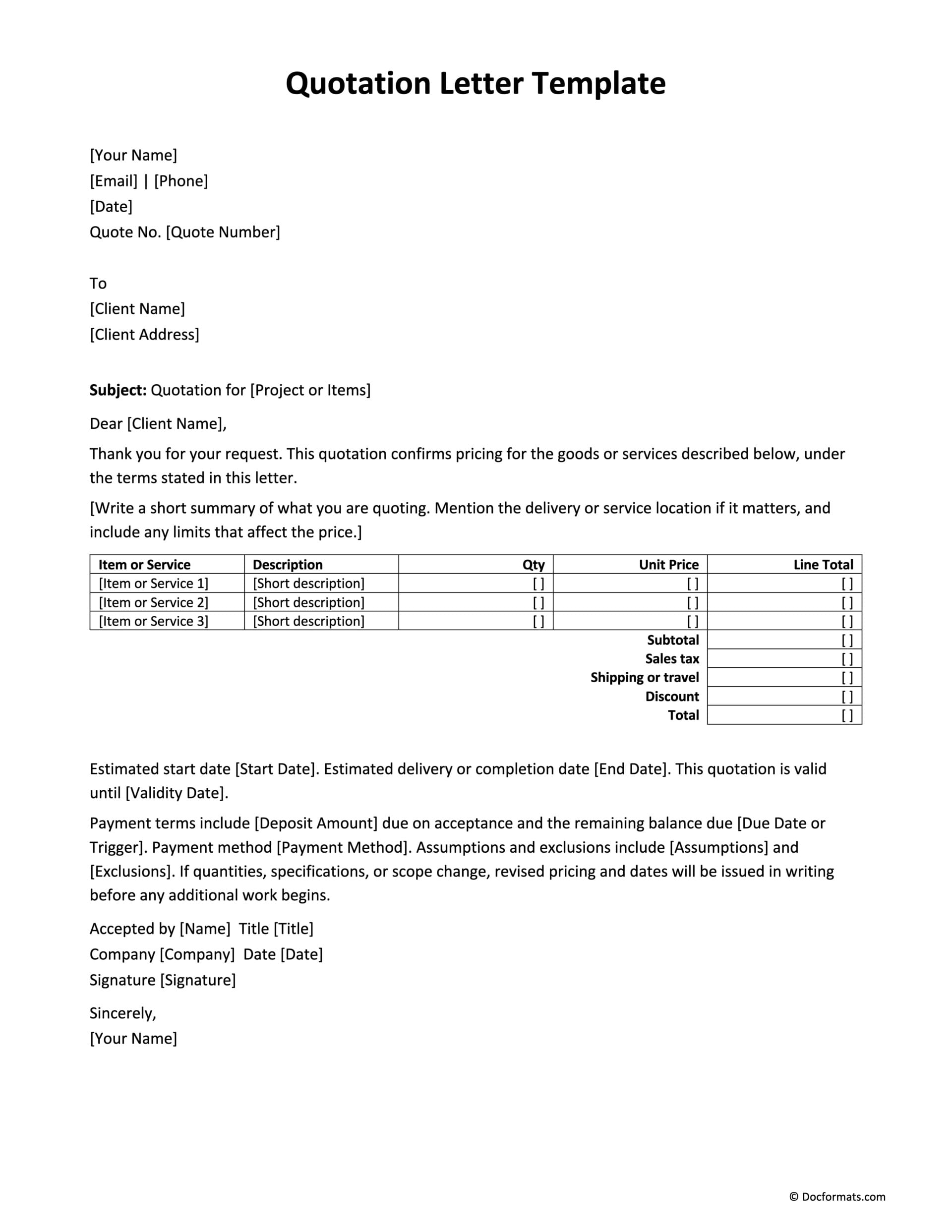
Companies managing many shipments from various clients will use a delivery order template to facilitate the preparation of delivery orders, save time and ensure consistency in the documents used for all shipments.
Delivery order templates are used by dispatchers instructing carriers to turn over shipments to cargo forwarders. There are no universal templates; however, some details are considered essential. The template requires the following:
- Consignor / Shipper / or courier
- Date of delivery
- Recipient name or destination
- Delivery order number and barcode unique to the order
- Shipment content, including quantity and description
- Mode of transport
- Field for the signature of the receiver
- Shipper-specific information, e.g., serial number of each item, batch numbers, etc.
Whether you create your delivery order template or use one from a software program will depend on the number of shipments processed each day and the system in use within your company. Many of the available software programs can generate delivery orders.
Who Issues a Delivery Order?
A delivery order is issued by the main carrier of the shipment or cargo to the nominated consignee or owner of the cargo once all conditions for the shipment have been met. The original bill of lading has been endorsed and verified to ensure that the shipment is turned over to the correct party.
Issuing a delivery order indicates the final stage in the shipment cycle. Once the delivery order has been issued, the bill of lading is considered fully discharged, assuming the consignee or their agent has taken delivery of the cargo promptly.
Why Is a Delivery Order Important?
Shipping of goods and cargo can be complicated, especially if the shipment involves multiple carriers across state lines and from one country to another. It is important to ensure that all of the documentation is complete, accurate, and timely to ensure that cargo can traverse customs inspections and be picked up by the appropriate carrier.
The documentation, including delivery orders, also establishes who has the cargo at any given moment, has the responsibility for the cargo, and any liability should the cargo be damaged en route or lost during transition through customs or by carriers.
As the cargo nears the destination port, the carrier must notify the buyer or their agent of the cargo’s arrival by providing an arrival notice, freight invoices, and any specialized requirements for the cargo’s release.
After presenting the bill of lading and surrendering it at the destination, the carrier can issue the delivery order after customs import is completed. The consignees or buyer’s agent can also determine the detention time the cargo spent in customs or some other detention container yard. Both container shipping and air cargo operate under the same process and concepts.
Essential Elements of a Delivery Order Template
Delivery order templates are used by many carriers to turn over cargo to consignee agents and their carriers. There is no universal template since many are specific to the company, products, and whether they meet international or national shipping needs. However, some elements are considered essential:
- Consignor / Shipper / or courier
- Date of delivery
- Recipient name or destination
- Delivery order number, barcode unique to the order
- Shipment content, including quantity and description
- Mode of transport
- Field for the signature of the receiver
- Shipper-specific information, e.g., serial number of each item, batch numbers, etc.
FAQs
The invoice is usually delivered to the buyer from the seller after the goods, products, and/or services have been delivered to the buyer. Depending on the contract or business arrangement between the buyer and seller, an invoice may be issued before the shipment of the goods, products, and/or services to be paid in total or reflect a deposit on the total order.
A delivery order, as previously mentioned, is issued to turn over goods or products to the buyer or their agent from the shipper. The delivery order is usually issued before the invoice is issued and documents the transfer of the asset from the shipper to the buyer or their agent.
Delivery notes are often inserted with a shipment to communicate and confirm the goods included in the delivery and the quantities included in the shipment. A delivery note is particularly helpful if a partial shipment is being made since it confirms the quantities in that shipment and helps with inventory control and tracking. The delivery note is signed by the buyer, and a copy is sent to the seller as proof the order was delivered and accepted.
Delivery orders are documents that are used to transfer the assets from the main carrier to the buyer’s carrier or agent if customs transfers are involved.
The delivery order is not a contract; however, it is an important legal document. The delivery order transfers the assets from the shipper or carrier to the buyer or the buyer’s agent. As a result, ownership and liability for the cargo are transferred once the delivery order is issued and accepted by the buyer or the buyer’s agent.
Delivery orders are not the same as purchase orders. They are often confused; however, they are very different and have different purposes. They are both parts of the ordering and fulfillment process.
The buyer issues the purchase order. The purchase order reflects the products or services the buyer wishes to purchase from the seller at a previously agreed price, including taxes, import fees, shipping charges, shipping details, and schedules. Details included in the purchase order are:
ᐅ Product or services ordered
ᐅ Quantity
ᐅ Price
ᐅ Payment terms
ᐅ Delivery dates
ᐅ Delivery location
ᐅ All other terms and conditions
The delivery order documents the transfer of cargo at the destination for the cargo or at the customs transfer point, where the buyer’s agent accepts the assets and makes arrangements for the cargo to be re-shipped to the buyer.
Key Points
Delivery orders are important documents in the fulfillment process. They are issued by the primary carrier to the buyer or their agent transferring possession and liability for the cargo to the buyer or their agent.
Delivery orders are not part of the sales process or the invoicing process, although these documents are often confused with sales orders and purchase orders.
Delivery order templates are often used to save time and ensure the consistency of information by carriers and agents. There is no standard delivery order template; however, there is essential information that must be included in the document. These details can be found earlier in this post.