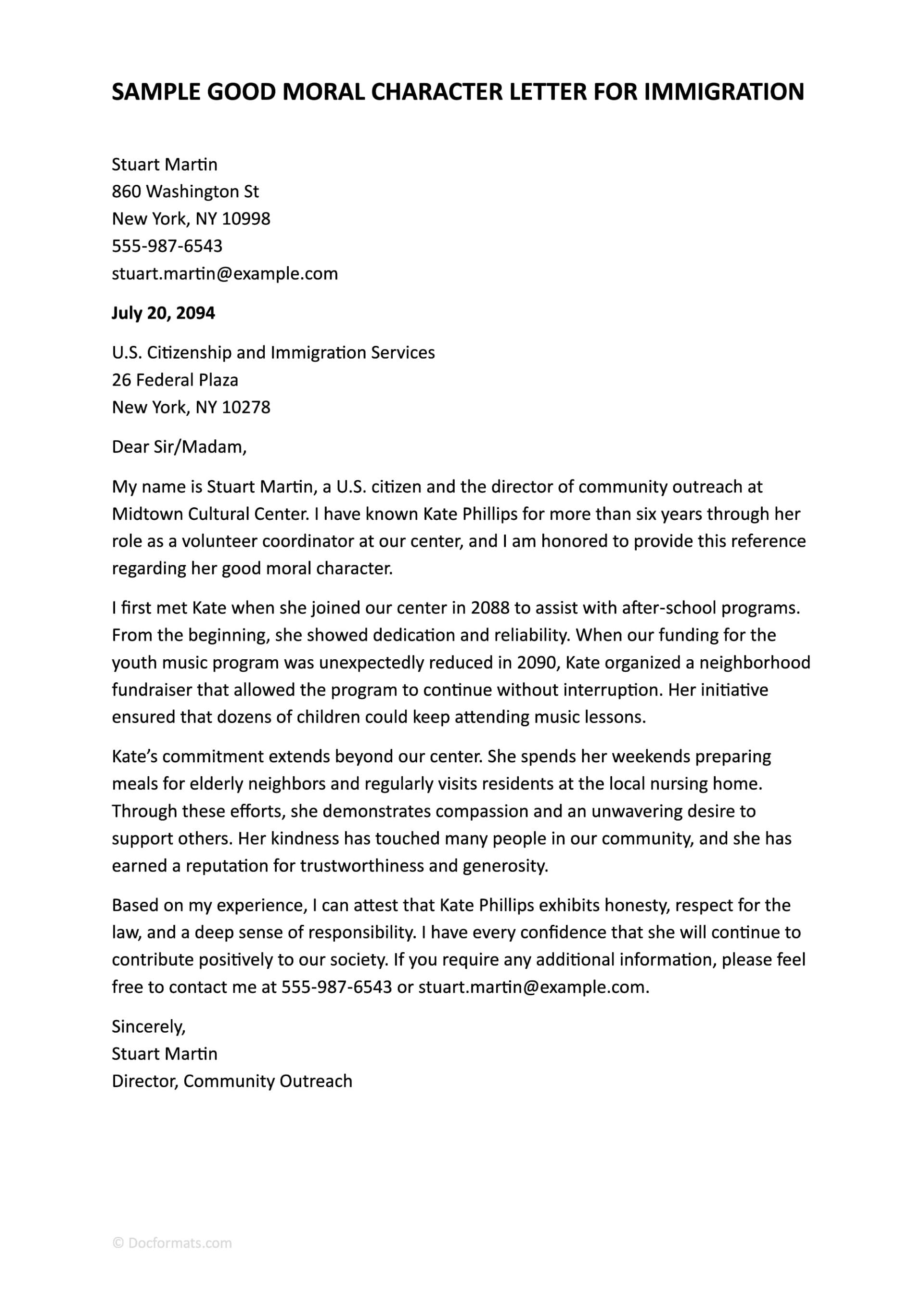
Bid rejection letters are a necessary yet challenging part of business communications. These letters serve to inform companies that their bid for a project has been unsuccessful, often requiring a delicate balance of professionalism and sensitivity. Writing such letters can be difficult, but the use of tailored templates can greatly simplify the process. These templates provide a clear and courteous framework, making it easier to convey this tough message effectively.
Bid Rejection Letters



Essential Elements of an Effective Bid Rejection Letter
An effective bid rejection letter should be composed with tact and professionalism. It’s crucial to communicate the rejection clearly while maintaining a respectful tone. Here are the key elements that should be included in such a letter, along with examples for clarity.
1. Polite Opening and Introduction
Start the letter with a polite greeting and a brief introduction. Acknowledge the effort the bidder has put into their proposal.
Example: Dear [Company Name], Thank you for your detailed proposal and the time you have invested in bidding for the [Project Name].
2. Clear Statement of Rejection
Directly, yet gently, state that their bid has not been successful. Avoid vagueness to prevent any misunderstandings.
Example: We regret to inform you that after careful consideration, your bid for the [Project Name] has not been selected.
3. Reason for Rejection (Optional but Recommended)
If appropriate, provide a brief explanation for the rejection. This can help the bidder understand the decision and improve future proposals.
Example: While we were impressed with your company’s credentials, we have chosen a bid that aligns more closely with our project’s specific requirements in terms of [budget, timeline, expertise].
4. Expression of Appreciation
Express gratitude for their interest in your project and the effort they took to submit their bid.
Example: We appreciate your interest in working with us and the effort you put into your proposal.
5. Encouragement for Future Opportunities
End on a positive note by encouraging future interactions or opportunities. This helps maintain a good relationship with the bidder.
Example: We value your expertise and would welcome the opportunity to consider future bids from your company for upcoming projects.
6. Professional Closing
Conclude the letter with a professional closing statement.
Example: Thank you once again for your submission. We wish you the best in your future endeavors. Sincerely, [Your Name]
Additional Tips:
- Tone: The tone of the letter should be professional yet empathetic. It’s important to remember that behind every bid is a team that has invested time and resources.
- Brevity: Keep the letter concise. Long explanations are unnecessary and can complicate the message.
- Personalization: Personalize each letter. Generic responses can come across as insincere and may damage future business relationships.
- Confidentiality: Be mindful of confidentiality and avoid disclosing sensitive information about the winning bid or specific details of the decision-making process.
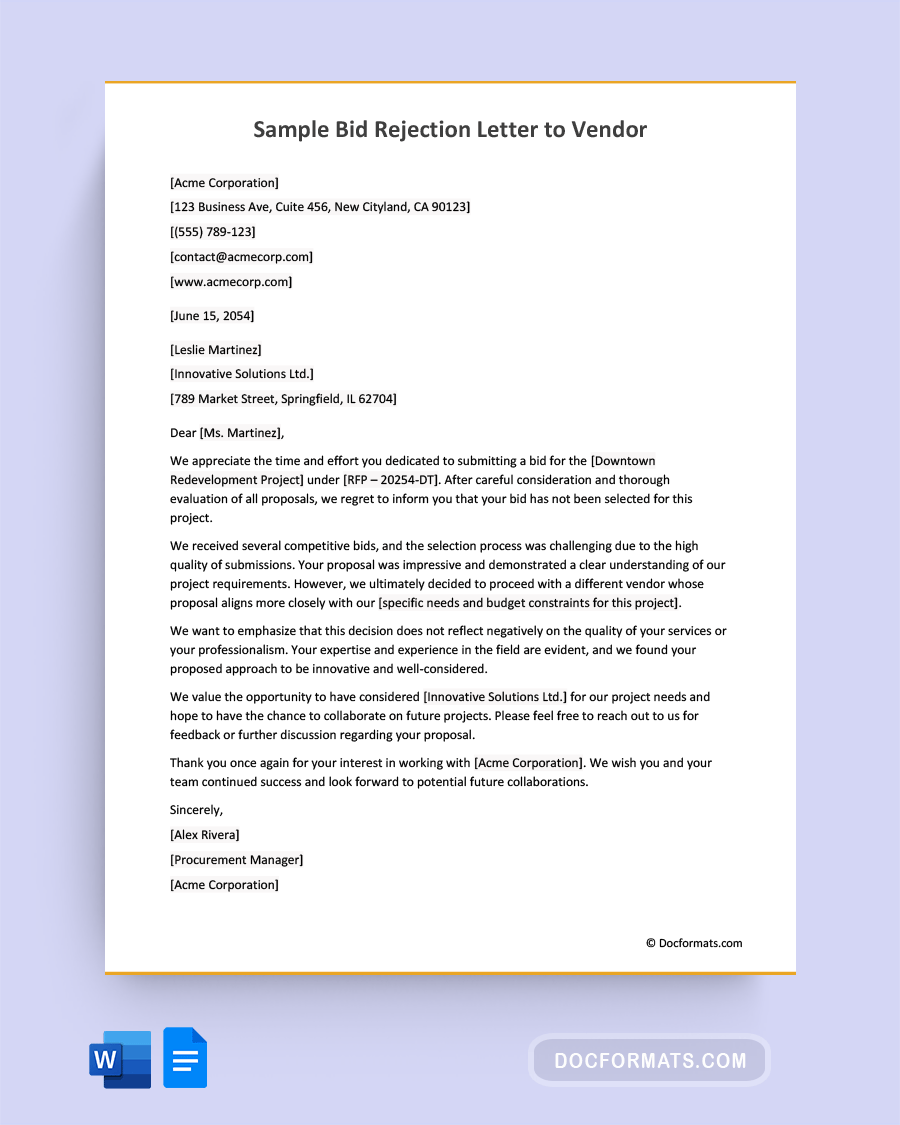
Sample Bid Rejection Letter
[Date]
[Recipient’s Name]
[Recipient’s Company Name]
[Company Address]
[City, State, Zip]
Dear [Recipient’s Name],
I hope this letter finds you well. I would like to extend our sincere thanks for submitting your detailed proposal for the [Project Name]. Your effort and thoroughness in presenting your bid have been impressive and are genuinely appreciated by our team.
After a comprehensive review and evaluation of all proposals, we regret to inform you that on this occasion, your bid has not been selected. This decision was not made lightly. While your proposal was strong in several aspects, including [mention any specific strengths of their proposal], we ultimately decided on a bid that aligns more closely with our specific needs regarding [briefly mention the deciding factor, such as budget, timeline, or technical expertise].
We recognize and value the time and resources your team dedicated to this process and want to thank you for your interest in collaborating with us. Your approach and insights were noteworthy, and we believe there is potential for future opportunities together.
We hope this decision will not deter you from participating in upcoming tenders and projects. [Your Company’s Name] is continually embarking on new ventures, and we would be pleased to see your participation in future bids.
Thank you once again for your effort and the professionalism shown throughout the bidding process. We wish [Recipient’s Company Name] success and look forward to the possibility of working together in the future.
Sincerely,
[Your Name]
[Your Position]
[Your Contact Information]
Bid Rejection Letter (Examples)
Understanding the importance of crafting a considerate and professional bid rejection letter, we have compiled a selection of sample templates for your convenience. These templates are designed to guide you in effectively communicating your decision while maintaining a respectful tone and fostering future business relationships. Whether you’re looking for a straightforward rejection letter or one with more detailed feedback, these samples can be easily adapted to suit your specific needs.
Contractor Bid Rejection Format

Construction Bid Rejection Sample
Writing a bid rejection letter requires careful consideration and a professional approach. Such a letter should not only explain the reasons for rejecting a bid in a courteous and respectful manner but also adhere to a professional format. It’s important to specifically thank the company for their submission, acknowledging their effort and interest. Additionally, the letter should include relevant details such as the date and type of the project for which the bid was submitted. This ensures clear communication and maintains a positive tone, even while delivering unfavorable news

Bid Rejection Letter

Grant Denial Letter

Sample Letter of Bid Proposal Rejection

Sample of Supplier Bid Rejection Letter

Vendor Bid Rejection Letter Example
A Vendor Bid Rejection Letter informs a vendor of their proposal’s non-acceptance. It’s crucial to craft this letter with care, ensuring it’s clear and concise while also being encouraging. Providing constructive feedback, where appropriate, can help maintain a positive relationship and support the vendor’s future endeavors.

Tender Bid Rejection Letter Format
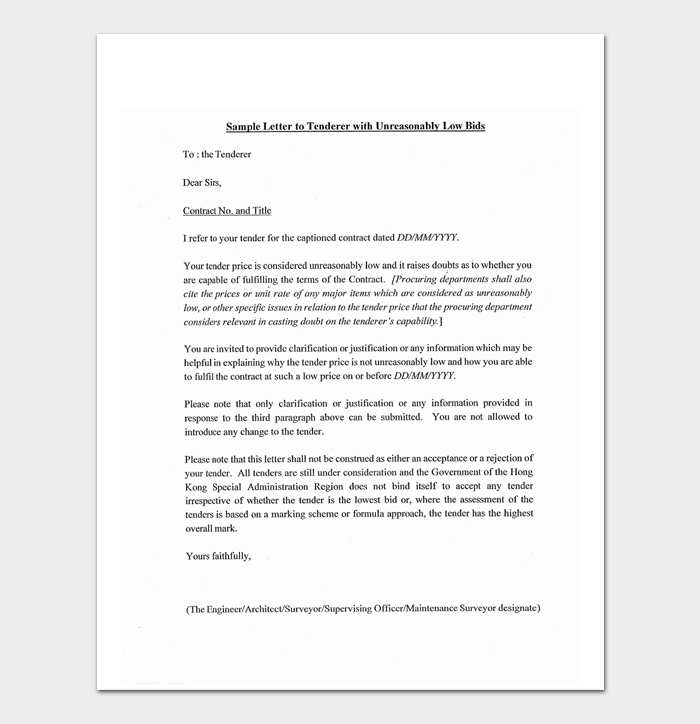
Letter of Contract Bid Rejection

Bid Rejection Letter (Word)

Conclusion
the art of writing a Vendor Bid Rejection Letter lies in striking the right balance between professionalism and empathy. As we have explored, these letters play a crucial role in maintaining business relations, even when delivering unfavorable news. A well-crafted rejection letter is clear, respectful, and potentially helpful, offering constructive feedback to the vendor. By adhering to these guidelines, businesses can ensure that their rejection of a bid is communicated in a manner that preserves the integrity of the relationship, encourages future engagements, and upholds the highest standards of professional communication.